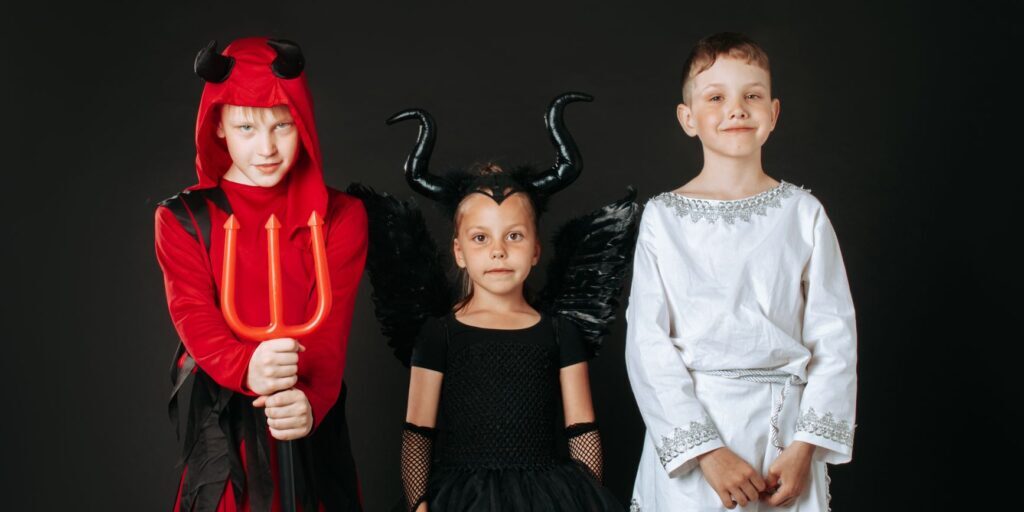
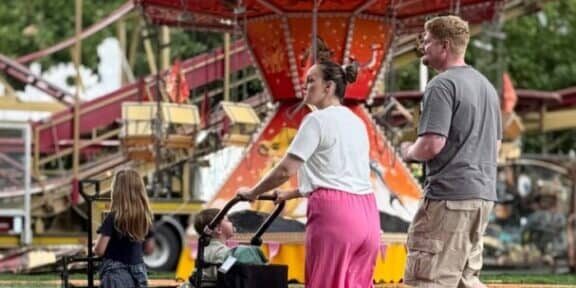
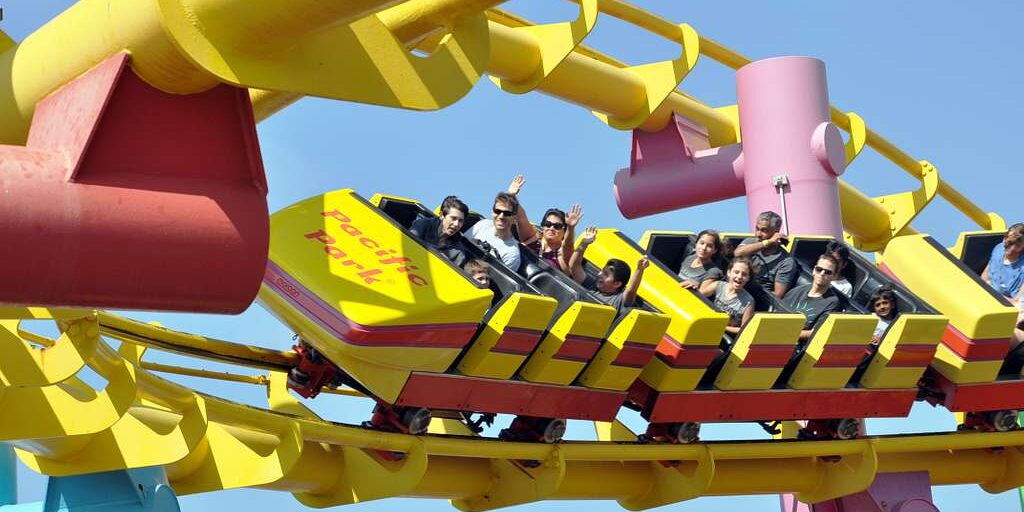
Visiting a theme park during Halloween events, whether a family-friendly festival or a late, night scare event, adds seasonal magic but also creates extra logistical challenges. This guide helps families and groups plan so they can enjoy themed shows, treats, and attractions while staying safe, comfortable, and on the same page.
Start with realistic expectations and a simple plan
Halloween events often increase crowds, add temporary entertainment areas, and introduce attractions with altered capacity or guest requirements. Before you go, decide what matters most to your group: character interactions and daytime shows, trick-or-treating routes for young children, or evening haunted houses and scare zones. Prioritize one or two must, do experiences and accept flexibility for the rest.
Match experiences to ages and tolerance for scares
Different parts of the park will target different audiences. Separate your itinerary into age, appropriate blocks: low, stimulus activities for little ones (parades, candy trails, daytime character meet-and-greets) and higher, intensity experiences later on for teens and adults. If you have mixed-age groups, plan “split times” where the party divides for 30 to 90 minutes so everyone gets a fitting experience without forcing younger guests into distressing attractions.
Use a midday comfort window to reset energy and manage crowds
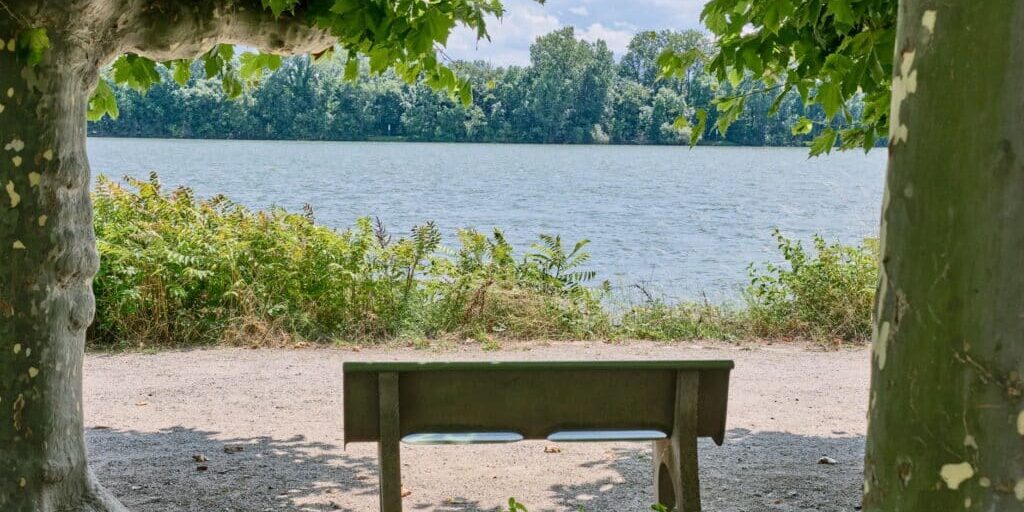
Build a 60 to 90 minute comfort window into your day: find a shaded bench, indoor show, or sit, down dining reservation where the group can rest, rehydrate, and regroup. This short reset reduces meltdowns, helps with stamina for long evenings, and creates a clear anchor point for reconnecting if you get separated. Pack a compact comfort kit with bottled water, light snacks, disposable ponchos, and a small first, aid kit.
Pick meeting spots and simple communication rules
Designate clear, visible meeting points (landmarks near major entrances, large statues, or show venues) and set a fallback time if you become separated. For families with phones, enable a shared messaging thread and set one person as the check, in lead. If guests don’t carry phones, provide kids with a printed card that lists an adult’s name and a meeting spot. Reconfirm meeting plans before splitting up.
Plan food and hydration around event lines and availability
Seasonal food stands and limited, time offerings can create long lines. Consider eating slightly earlier or later than peak meal times, using mobile ordering where available, and keeping snacks handy to bridge waits. Hydration is especially important when costumes and layers increase heat, opt for refillable bottles or schedule water breaks during your comfort window.
Respect signage and venue limits for safety
Haunted attractions and scare zones often have height, age, or accessibility restrictions. Follow posted guidance, and if a ride or maze isn’t suitable for someone in your party, plan an alternative activity nearby so no one feels excluded. Remind guests that actors are performing and to follow staff directions for safety and an enjoyable experience for everyone.
Make the most of entertainment schedules and low, capacity options
Check show and parade times in advance and arrive early for preferred viewing. For attractions with high demand, consider single, rider lines or low, capacity family, friendly alternatives when possible. Use scheduled entertainment as opportunities to rest or rotate family members through different experiences without losing overall progress in the day.
Final takeaway
Halloween at theme parks can be memorable and manageable with a bit of planning: set priorities, use a comfort window, match scare levels to ages, designate meeting points, and plan food and hydration around crowds. With those practical steps, your group will spend more time enjoying seasonal magic and less time solving logistics.